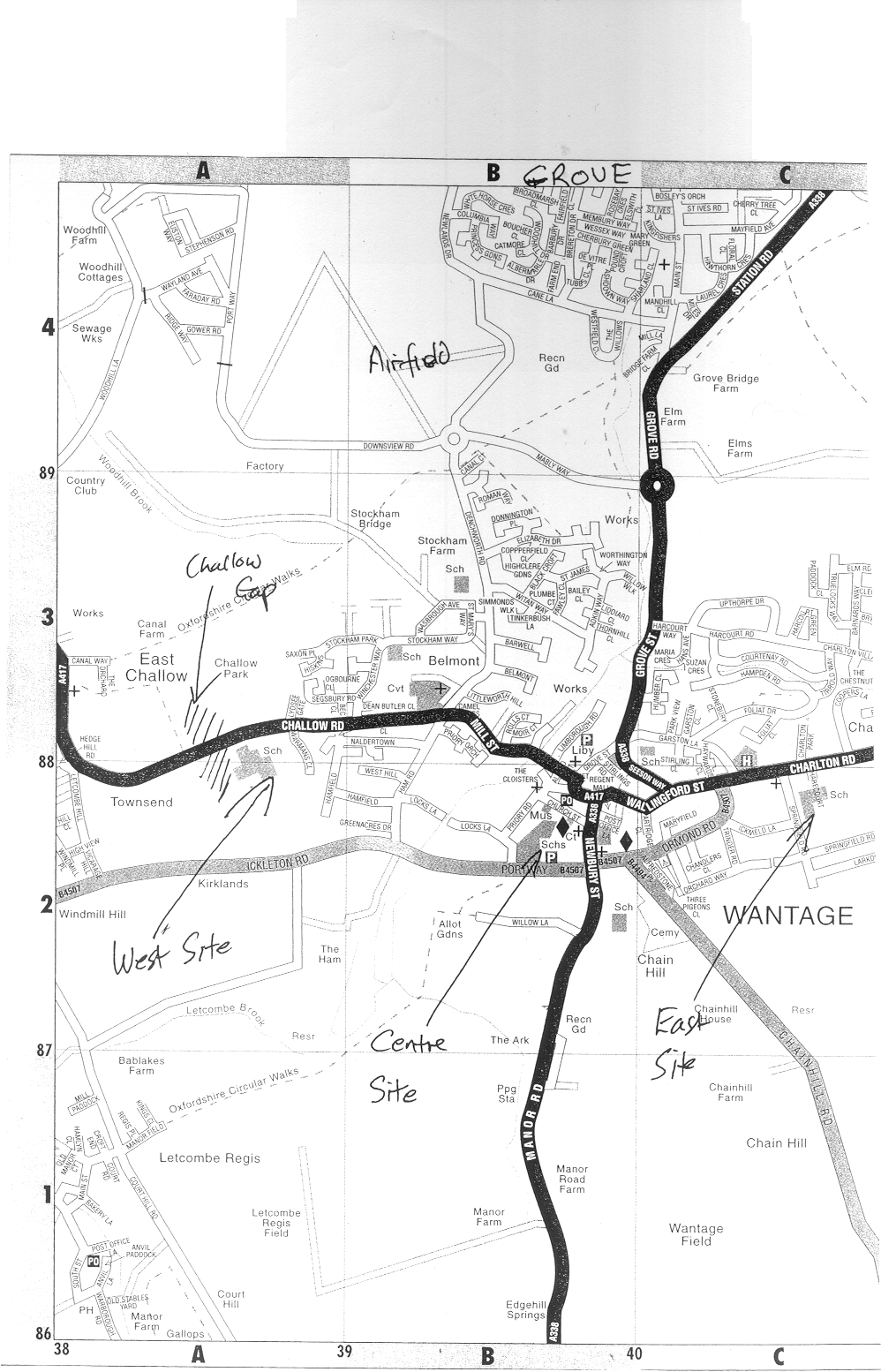
|
|
Option
|
Description
|
Advantages
|
Disadvantages
|
|
1
|
Do nothing
|
- Status
quo stays
- New
Housing takes up surplus places
|
Low
cost.
|
3 site
working problems exacerbated.
Buildings
problems remain.
High
life-cycle costs.
Fails
to recognise that surplus places are in part illusory: not
in right places.
|
|
2
|
Refurbish
status quo
|
As above,
but incl. refurbishment.
|
- Comparatively
low cost (but depends on work to be done).
|
Points
1, 2 and 4 above.
Funding
stream difficult.
Uncertainty
in work needed.
Does
not resolve all AMP problems.
|
|
3
|
Report
Option 1
|
2 11-16
halls, plus Sixth Form at East.
|
- Some
features of current arrangements alleviated.
|
3 site
working problems remain.
Much
staff movement.
Poor
v.f.m.
High
risk for LEA.
Expansion
of West potentially difficult.
|
|
4
|
Report
Option 2
|
New School.
|
- Good
premises: all site issues resolved.
- Low
risk for LEA.
- Comparatively
good v.f.m.
- Educationally
sound if organisation can reduce perceived negative effects
of large size.
- Potentially
significant impact on standards.
|
Not
favoured by planners (sustainability).
Evidence
of public antipathy (school size issue).
|
|
5
|
Report
Option 3
|
School
in Grove.
School
in Wantage.
|
- Potential
for good premises (but question over listed buildings).
- Fairly
low risk for LEA.
- Educationally
sound.
- Evidence
of popular support.
|
Transition
from present to new arrangements fraught.
|
|
6
|
Report
Option 4
|
Lower
and Upper School Model.
|
- Systems
works well in Thame.
|
Split
site remains.
Poor
v.f.m.
Significant
risk.
Expansion
difficult on West site.
|